
Top 5 Questions We Get About Polypropylene Tanks
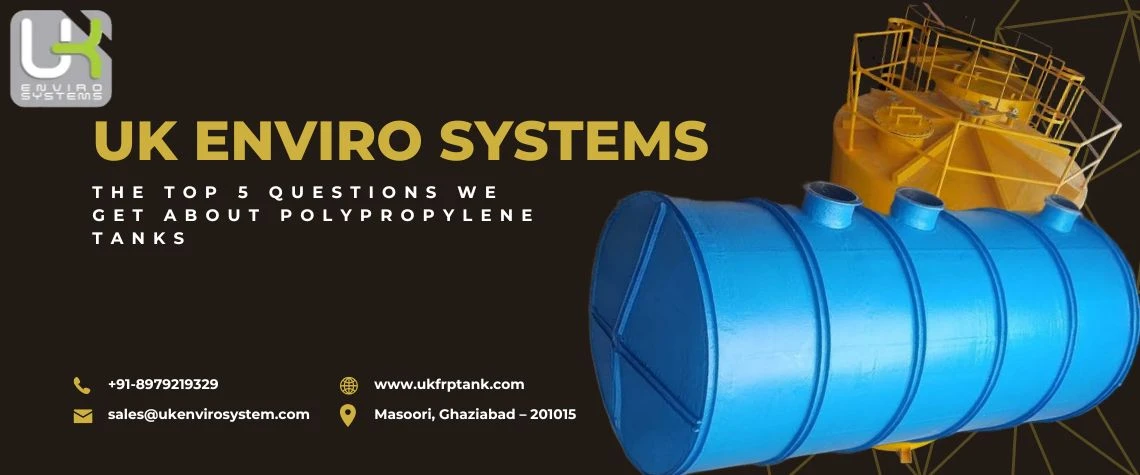
5 Questions About Polypropylene Tanks
At UK Enviro Systems, we pride ourselves on being leading providers of industrial storage solutions. Consequently, we engage in daily conversations with engineers and plant managers across the nation. These discussions often reveal common themes and crucial concerns. A primary topic of interest is the use and specification of polypropylene tanks. Specifically, clients in the industrial hub of Uttar Pradesh frequently seek guidance on Polypropylene Tanks in Ghaziabad. This article addresses the top five questions we encounter. Our goal is to provide clear, actionable insights for your next project.
Why Is This Knowledge Essential?
Selecting the correct storage vessel directly impacts your operational safety and efficiency. Moreover, the right tank safeguards your valuable materials and ensures regulatory compliance. Polypropylene (PP) tanks offer a compelling solution for many demanding applications. Understanding their capabilities and limitations is therefore a critical business decision. Let’s explore the most pressing questions from industry professionals like you.
Question 1: What Exactly Are The Advantages of Polypropylene Over Other Materials?
Clients often consider multiple storage tank materials. Therefore, understanding PP’s unique benefits is vital. This material provides a superior balance of properties for many chemical and industrial applications.
Unbeatable Chemical Resistance
Polypropylene boasts exceptional inertness against a vast range of substances. It resists attack from many acids, alkalis, and solvents. This makes it ideal for aggressive media. For example, it is the premier choice for Acid Storage Tanks and Pickling Tanks. Unlike metals, PP will not corrode or contaminate stored contents. Consequently, product purity remains guaranteed.
Lightweight Yet Durable Construction
PP tanks are significantly lighter than steel or concrete alternatives. This simplifies transport and installation dramatically. Furthermore, they require less structural support. Despite this lightness, high-quality polypropylene offers excellent impact strength and longevity. It withstands harsh industrial environments without rusting or degrading.
Cost-Effectiveness and Low Maintenance
The initial investment in Polypropylene Tanks in Ghaziabad is often very competitive. More importantly, their lifecycle cost is exceptionally low. They eliminate ongoing expenses like painting or cathodic protection. Additionally, their smooth surfaces prevent scaling and are easy to clean. This translates to minimal downtime and outstanding long-term value.
Question 2: For Which Applications Are Polypropylene Tanks Most Suitable?
Understanding application suitability prevents costly specification errors. Polypropylene tanks serve a diverse range of industries with specific needs.
The Go-To Solution for Chemical Storage
These tanks are fundamental across the chemical sector. They safely store a wide array of corrosive liquids and mixtures. This broad utility solidifies their role as essential Chemical Storage Tanks. From hydrochloric acid to alkaline solutions, PP provides reliable containment. This ensures safety for personnel, infrastructure, and the environment.
Specialized Roles in Metal Treatment
The metal fabrication and finishing industries rely heavily on specific tanks. HCL Storage Tanks for hydrochloric acid are typically fabricated from polypropylene. Similarly, Pickling Tanks used for cleaning metal surfaces require PP’s robust chemical resistance. These applications demand a material that can endure constant exposure to highly reactive solutions.
Water Treatment and Beyond
Water and effluent treatment plants utilize PP tanks for chemical dosing. They hold acids, alkalis, and other treatment agents. Other sectors like food processing, pharmaceuticals, and electronics also benefit. They use these tanks for ultrapure water or sensitive process fluids. The material’s purity and cleanliness are key advantages here.
Question 3: How Do Polypropylene (PP) Tanks Compare to FRP Tanks?
This is a fundamental comparison for many clients. Both FRP Storage Tank Manufacturers and PP tank producers offer excellent corrosion-resistant products. However, key differences guide the selection process.
Material Composition and Strength
FRP (Fiber Reinforced Plastic) combines glass fibers with a polymer resin. This creates a composite material with very high structural strength. Polypropylene is a thermoplastic polymer. While strong, it may require additional external support for very large volumes. Therefore, PP FRP Tanks is a term sometimes used to describe hybrid designs leveraging both materials’ strengths.
Fabrication and Repair Methodology
FRP tanks are built using a layup process, often on-site for large units. Repairs involve patching with resin and glass mat. Polypropylene tanks are fabricated from welded sheets of thermoplastic. Skilled welders can easily repair or modify PP tanks using hot-air or extrusion welding tools. This often makes field repairs simpler and faster.
Temperature and Cost Considerations
Polypropylene generally has a lower maximum continuous service temperature than premium FRP resins. For high-temperature applications, FRP might be preferable. Regarding cost, PP tanks often have a lower initial price for standard configurations. The expertise of local Polypropylene Tanks in Ghaziabad suppliers can provide the best value for specific project needs.
Question 4: What Key Specifications Should I Consider When Ordering?
Procuring a tank requires careful attention to detail. Overlooking a single specification can lead to premature failure or operational issues.
Chemical Compatibility is Paramount
Always provide your supplier with the exact chemical name, concentration, and temperature. This is the most critical step. Reputable manufacturers will then confirm the suitability of polypropylene. Additionally, consider any potential mixtures or cleaning agents used in the tank.
Design Pressure, Temperature, and Geometry
Clearly define the operational temperature range. Also, specify if the tank will be pressurized, under vacuum, or simply vented. The tank geometry—such as vertical, horizontal, or conical bottom—affects footprint and drainage. Furthermore, consider access needs like manholes, nozzles, and agitator ports during the design phase.
Site Conditions and Installation Factors
Inform your supplier about the installation environment. This includes indoor/outdoor placement and available support structures. For outdoor tanks, discuss requirements for UV stabilizers to prevent degradation from sunlight. Also, ensure the foundation is perfectly level to avoid stress on the tank structure.
Question 5: How Do I Ensure Longevity and Proper Maintenance?
A polypropylene tank is a long-term asset. Proper care maximizes its service life and protects your investment.
Implement a Routine Inspection Schedule
Conduct regular visual inspections of the tank’s interior and exterior. Look for any signs of stress, distortion, or cracks, especially around weld seams and fittings. Additionally, check supports and connections for integrity. Early detection of potential issues prevents minor problems from becoming major failures.
Follow Safe and Correct Cleaning Procedures
Use only compatible cleaning chemicals and methods. Avoid abrasive tools or harsh solvents that could damage the PP surface. Furthermore, ensure the tank is properly ventilated and made safe for entry before any manual cleaning. Always follow confined space entry protocols rigorously.
Work With Reputable Fabricators and Installers
The tank’s quality hinges on the manufacturer’s skill. Choose experienced providers of Polypropylene Tanks in Ghaziabad. They ensure expert fabrication with certified welding procedures. Professional installation is equally important. It guarantees the tank is positioned and anchored correctly for optimal performance and safety.
Conclusion: Making an Informed Decision for Your Facility
In summary, polypropylene tanks offer a robust solution for challenging storage needs. Their chemical resistance, cost-effectiveness, and versatility answer many industrial problems. We hope addressing these top five questions provides greater clarity for your planning.
Ultimately, the success of your project depends on a trusted partnership. Engage with experienced professionals who listen to your requirements. They should guide you from material selection through to installation. For industries in the region, exploring the expertise behind Polypropylene Tanks in Ghaziabad is a strategic move. It connects you with localized knowledge and support, ensuring your operations run smoothly and safely for years to come.