
How to Protect Your PP FRP Tanks from Freezing: A Comprehensive Guide
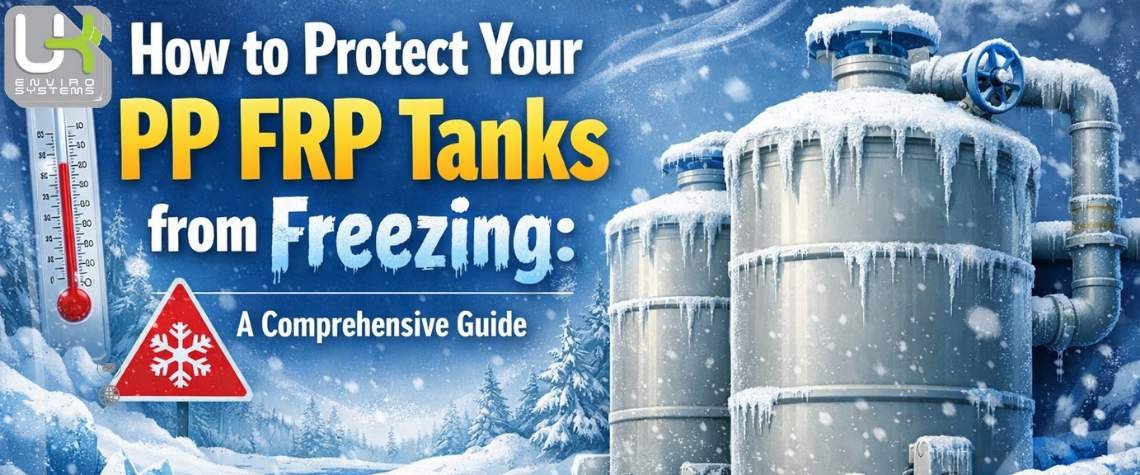
PP FRP Tank Solutions for Freezing
At UK Enviro Systems, we provide robust PP FRP tank solutions for demanding industrial applications. These tanks excel in storing aggressive chemicals. However, freezing temperatures pose a significant threat. Protecting your investment requires a proactive strategy. This guide details effective methods to safeguard your tanks. We will ensure operational integrity throughout winter.
Understanding these protection strategies is crucial. It prevents costly damage and dangerous failures. Let us explore the science behind the risk first. Then, we will outline actionable prevention and solution steps.
Understanding the Risks: Why Freezing Threatens Your Tank System
Water-based or dilute solutions expand upon freezing. This expansion creates immense internal pressure. The pressure can exceed the design limits of your storage system. Consequently, catastrophic structural failure may occur. The damage often manifests in several ways.
First, the internal polypropylene liner can become brittle. It may then crack or craze under stress. Second, the outer FRP structural layer can delaminate. This process compromises the tank’s strength entirely. Ultimately, a failure leads to chemical spills, downtime, and high repair costs.
FRP storage tank manufacturers design for specific conditions. These conditions rarely include frozen contents. Proactive winterization is not just advice. It is an essential part of responsible asset management. This is especially true for critical acid storage tanks.
Preventive Design and Installation: The First Line of Defense
Smart planning is the best protection against freezing. Consider these factors during the specification and installation phase. They form a foundational barrier against cold weather damage.
Selecting the Right Tank Specifications
Discuss ambient conditions with your manufacturer. For colder climates, specific constructions are beneficial. Options include increased wall thickness or specialized resins. These features enhance mechanical strength. They better resist internal stress from expanding ice.
Strategic Placement and Installation
Install tanks in insulated buildings whenever possible. This provides the simplest protection. For outdoor placement, use windbreaks. Fences or walls reduce wind chill exposure. Also, elevate tanks slightly above ground. This prevents a pool of freezing water at the base. Proper drainage away from the tank pad is also critical.
Integrating Insulation from the Start
Install permanent insulation immediately after commissioning. It is far more effective than temporary wraps. Cladding or jacketing systems protect the insulation from weather. This maintains its performance for years. Always remember, insulation slows heat loss. It does not add heat.
Active Protection Strategies: Operational Measures for Cold Climates
Design measures need operational support. Implement these active strategies to maintain safe temperatures. They keep your PP FRP tanks and their contents protected.
Implementing Heat Tracing Systems
Electric heat tracing cables are a premier solution. They are installed on the tank’s exterior beneath the insulation. These cables provide consistent, controllable heat. Use automatic controllers with temperature sensors. This ensures energy efficiency and safety. For HCL storage tanks or other acids, ensure system compatibility.
Utilizing Tank Mixers and Recirculation
Movement prevents freezing. Side-entry mixers or recirculation pumps keep fluids agitated. This stops stagnant areas from cooling below the freezing point. Recirculating fluid through a heated loop is very effective. It is a common practice for large-volume storage.
Employing Internal Heaters
Immersion heaters can be installed directly into the tank. Choose heaters with the correct metallurgy for your chemical. Always use heaters with failsafe controls. Proper placement prevents localized overheating. This method is often used for pickling tanks with heating needs anyway.
Monitoring and Maintenance: Your Year-Round Essential Program
Constant vigilance prevents surprises. A strong monitoring routine identifies problems early. It allows for corrective action before damage occurs.
Install Comprehensive Temperature Monitoring
Use digital temperature sensors at key points. Monitor the fluid core, tank wall, and ambient air. Data loggers provide trends and alerts. Remote monitoring is ideal. It allows for off-hours oversight without plant visits.
Establish a Winterization Inspection Routine
Inspect insulation and cladding for damage before winter. Check for gaps, moisture, or animal intrusion. Verify all heating systems are operational. Test temperature alarms and controller setpoints. Maintain clear access to tanks and valves. This is crucial for emergency response.
Develop a Clear Winter Operation Protocol
Train personnel on cold-weather procedures. Define safe filling rates for cold tanks. Outline steps for a suspected freeze event. Ensure everyone knows shutdown and emergency contact protocols. Preparedness directly reduces risk and cost.
Responding to a Suspected Freeze: Emergency Actions
Despite precautions, freeze events can happen. Act quickly and safely if you suspect your tank has frozen.
Do Not Attempt to Thaw with Open Flame
Applying direct, intense heat is extremely dangerous. It can thermally shock and crack the FRP laminate. It also presents a major fire hazard. Always use controlled, indirect heating methods instead.
Isolate and Assess the Situation
First, close all valves connected to the tank. This isolates the system. Do not attempt to operate mixers or pumps. Their strain could rupture a compromised tank. Visually inspect for bulging, cracks, or weeping.
Initiate a Controlled, Gradual Thaw
Thaw the tank slowly from the top down. Use ambient heat inside a building if possible. For outdoor tanks, use insulated tarps and space heaters safely. The goal is gradual warming over hours or days. Monitor the temperature closely throughout the process.
Inspect and Test Before Returning to Service
After thawing, a professional inspection is mandatory. FRP Storage Tank Manufacturers like UK Enviro Systems can perform this. They will check for delamination, liner integrity, and structural soundness. Conduct a hydrostatic test if advised. Only return the tank to service after full certification.
Conclusion: Partner for Confidence in Every Climate
Protecting PP FRP Tank Solutions from freezing is a multi-stage process. It begins with intelligent design and installation. It continues with active heating and diligent monitoring. A prepared response plan completes the cycle. This holistic approach safeguards your operations. It also protects your personnel and the environment.
UK Enviro Systems engineers Acid Storage Tanks for global challenges. We understand the demands of cold climates. Our experts design HCL Storage Tanks and Pickling Tanks with integrity. Let us help you build a winterization plan. Ensure your storage assets perform reliably year after year. Contact us today for a consultation on your specific needs.