Top Benefits of Polypropylene Tanks for Chemical Storage
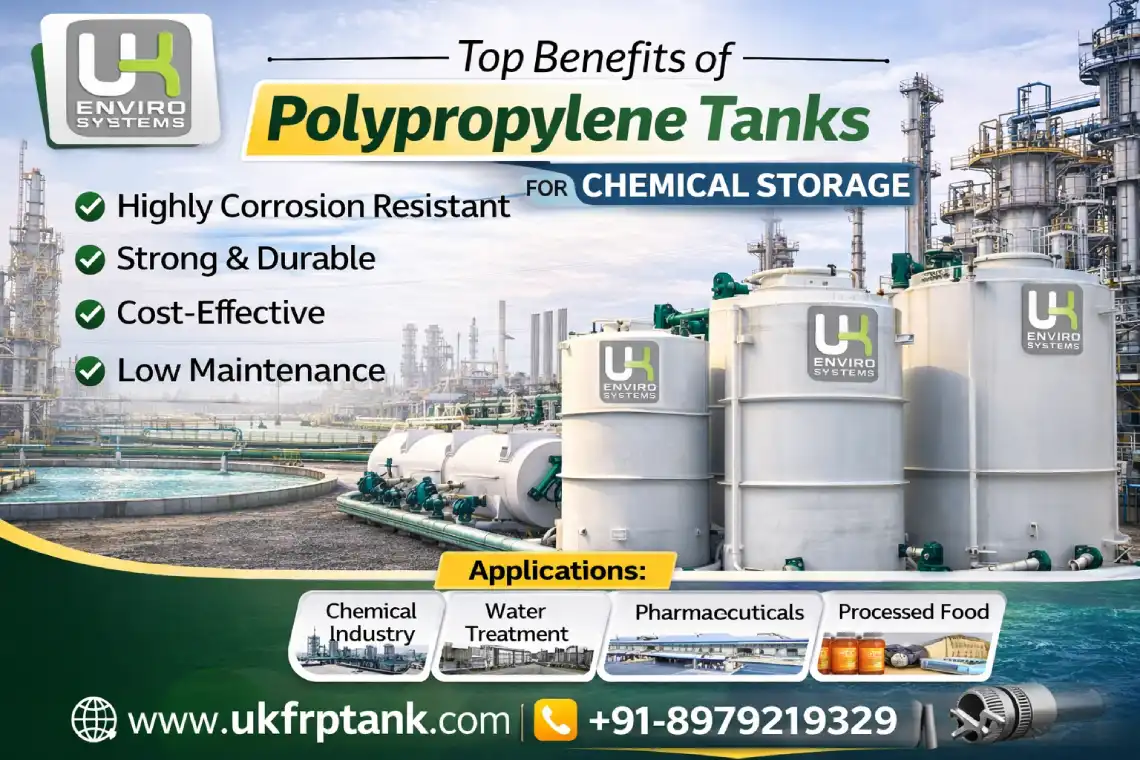
When industries handle aggressive chemicals, they demand reliability above all else. Polypropylene Tanks for Chemical Storage represent the gold standard in this critical field. These vessels provide unmatched resistance to corrosive substances. They also offer a lightweight yet robust solution for modern facilities. At UK Enviro Systems, we understand the complexities of chemical containment. We deliver engineering excellence with every tank we produce.
Understanding the Core Material: Polypropylene
Polypropylene is a thermoplastic polymer. Its chemical structure grants it exceptional resistance to a wide range of acids, alkalis, and solvents. Unlike metals, it does not rust or corrode. This inherent property makes it ideal for long-term storage applications.
Why Material Selection Matters
Choosing the wrong storage material leads to catastrophic failure. Leaks can halt production. Spills endanger workers and the environment. Therefore, selecting Polypropylene Tanks for Chemical Storage is a decision rooted in safety. This material ensures the integrity of your stored substances. It also protects your capital investment.
The Distinct Advantages of Polypropylene
Polypropylene offers several benefits over traditional materials. These advantages translate into operational efficiency and reduced maintenance costs.
Superior Chemical Resistance
This material withstands highly aggressive media. It performs exceptionally well with mineral acids. It also resists organic acids and many solvents. For facilities handling hydrochloric acid or sulfuric acid, this resistance is non-negotiable.
Lightweight Construction
Steel tanks require heavy foundations and lifting gear. Polypropylene tanks are significantly lighter. This reduces installation time. It also lowers shipping costs. Engineers appreciate this ease of handling during setup.
Seamless Fabrication
Skilled fabricators weld polypropylene sheets into monolithic structures. This creates a seamless interior surface. The absence of seams eliminates weak points. It also prevents bacterial growth or contamination buildup.
Comparing Polypropylene to Other Materials
Understanding the differences helps in making an informed choice.
Polypropylene vs. Stainless Steel
Stainless steel offers strength but suffers in high-chloride environments. Polypropylene excels where chlorides are present. Additionally, polypropylene does not suffer from pitting corrosion. Its cost is often lower than high-grade stainless alloys.
Polypropylene vs. Fiberglass Reinforced Plastic (FRP)
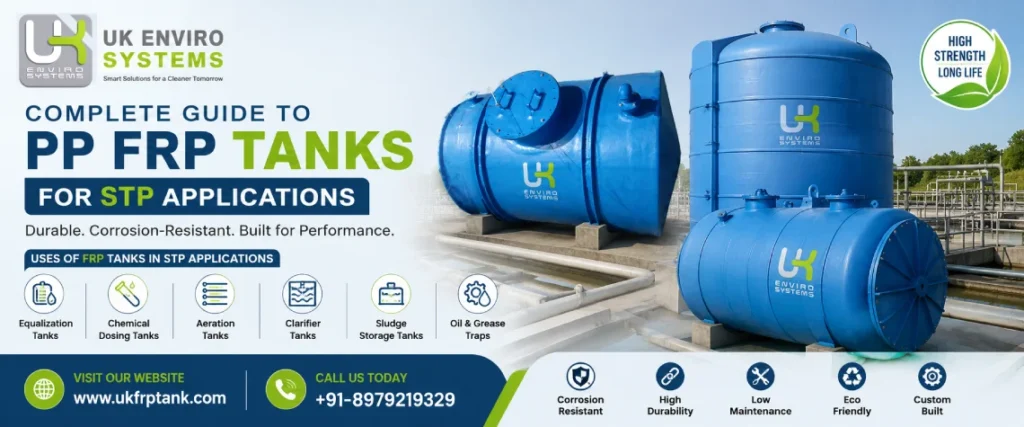
FRP tanks are common in the industry. However, polypropylene provides better resistance to certain solvents. When combined with FRP, we get superior products like PP FRP Storage Tanks. These composite tanks marry the chemical resistance of polypropylene with the structural strength of FRP.
The Role of Expert Fabrication
Quality depends heavily on the manufacturer. Polypropylene Tank Manufacturers must adhere to strict standards. They use extrusion welding techniques to ensure joint strength. They also design tanks to meet specific pressure and temperature requirements.
Custom Design Capabilities
Every chemical process is unique. Standard tanks often fail to meet specific site constraints. Reputable Polypropylene Tank Manufacturers offer custom fabrication. They consider factors like:
- Tank volume and dimensions
- Wall thickness requirements
- Nozzle placement and size
- Reinforcement for external loads
Quality Assurance Protocols
Manufacturing does not end with welding. Quality assurance involves rigorous testing. This includes hydrostatic testing to verify structural integrity. It also includes visual inspections for weld consistency. These steps ensure the tank performs for its intended lifespan.
Applications Across Diverse Industries
Polypropylene Tanks for Chemical Storage serve a wide array of sectors. Their versatility makes them indispensable.
Water Treatment Facilities
Water treatment plants use aggressive chemicals for purification. Sodium hypochlorite and various coagulants require safe storage. Polypropylene tanks provide the necessary corrosion barrier. They ensure consistent chemical feed rates for treatment processes.
Metal Finishing and Plating
The metal finishing industry uses hot acids and bases. Electroplating lines require reliable storage for baths and rinses. Polypropylene withstands the elevated temperatures common in these processes. It also resists the harsh chemicals used in surface preparation.
Pharmaceutical Manufacturing
Purity is paramount in pharmaceutical production. Polypropylene offers a non-reactive surface. It does not leach contaminants into stored materials. This makes it suitable for storing intermediates and cleaning agents.
Semiconductor Production
The electronics industry uses ultra-pure chemicals. Contamination at the parts-per-billion level ruins yields. Polypropylene tanks maintain the required purity levels. They are standard for storing deionized water and etching chemicals.
Specialized Storage: HCL and Acids
Certain chemicals demand extra attention during storage design. HCL Storage Tanks and Acid Storage Tanks represent critical applications where material choice determines safety.
The Challenge of Hydrochloric Acid
Hydrochloric acid (HCL) is notoriously aggressive. It attacks most metals rapidly. Fumes from HCL also corrode surrounding equipment. HCL Storage Tanks must feature robust wall thickness. They often require secondary containment systems. Polypropylene’s resistance to HCL makes it the preferred material. It handles concentrations from dilute to 37% with ease.
Handling Sulfuric and Nitric Acids
Sulfuric acid generates heat when diluted. Nitric acid acts as a strong oxidizer. Acid Storage Tanks made from polypropylene manage these challenges. Manufacturers design them with appropriate safety margins. They account for thermal expansion and oxidative environments.
The Composite Advantage: PP FRP Storage Tanks
For large volumes or high-pressure applications, PP FRP Storage Tanks offer an optimal solution. This hybrid design combines two materials.
How the Composite Structure Works
The inner layer consists of polypropylene. This layer contacts the stored chemical. It provides all the corrosion resistance required. The outer layer is fiberglass reinforced plastic. This layer provides structural support. It handles external loads, wind, and seismic forces.
Benefits of the Composite Design
These tanks achieve larger diameters than standalone polypropylene tanks. They withstand higher pressures. They also offer enhanced rigidity. For outdoor installations, PP FRP Storage Tanks resist UV degradation when properly formulated. This composite approach extends the service life significantly.
Selecting Reliable Manufacturers
Choosing the right partner is crucial. You need Polypropylene Tank Manufacturers with a proven track record.
Evaluating Manufacturing Capabilities
Look for manufacturers with in-house fabrication facilities. They should employ certified welders. They must have experience with your specific chemical application. Ask about their quality control processes. Verify they use virgin-grade materials suitable for chemical contact.
Importance of Industry Standards
Reputable manufacturers follow established standards. They comply with DVS (German Welding Society) guidelines for plastics welding. They also adhere to relevant pressure vessel codes. Compliance ensures the tank meets safety requirements.
Installation and Operational Considerations
Proper installation extends tank life. Operational best practices prevent premature failure.
Foundation Requirements
Polypropylene tanks require flat, stable foundations. Uneven support creates stress points. These stress points lead to cracking over time. Grout or steel supports should distribute the weight evenly. For PP FRP Storage Tanks, foundation design must account for the composite structure’s rigidity.
Temperature Management
Polypropylene has a maximum service temperature. Typically, this ranges from 80°C to 100°C depending on the chemical. Users must monitor process temperatures. They should install insulation or cooling systems if needed. Exceeding temperature limits accelerates material degradation.
UV Protection
Polypropylene degrades under prolonged sunlight exposure. Outdoor tanks require UV stabilization. Alternatively, manufacturers add protective coatings or jacketing. For composite tanks, the FRP outer layer provides inherent UV protection.
Maintenance and Longevity
Routine maintenance ensures continued safe operation. It also maximizes return on investment.
Regular Inspections
Operators should conduct visual inspections weekly. They look for signs of stress whitening or cracking. They check weld integrity at critical junctions. They also inspect fittings and flanges for leaks.
Cleaning Procedures
Cleaning polypropylene tanks requires care. Harsh cleaning agents can damage the surface. Mild detergents and water are usually sufficient. For chemical changes, thorough rinsing prevents cross-contamination.
Repair Capabilities
Polypropylene is repairable. Skilled technicians perform weld repairs on cracks or damage. This repairability extends the tank’s lifespan. It also reduces the need for complete replacement.
Environmental and Safety Compliance
Chemical storage carries regulatory responsibilities. Tanks must meet environmental protection standards.
Secondary Containment
Most regulations require secondary containment. This prevents spills from reaching the environment. Polypropylene tanks can sit within containment berms. Alternatively, double-wall tank designs provide integrated containment.
Venting and Pressure Relief
Chemical storage often involves vapor generation. Tanks require adequate venting to prevent pressure buildup. Vacuum breakers prevent tank collapse during emptying. Proper vent design is essential for safety.
Innovations in Tank Design
The industry continues to evolve. New technologies improve tank performance.
Advanced Welding Techniques
Automated welding machines ensure consistent weld quality. They control temperature and feed rates precisely. This results in stronger, more reliable joints than manual welding.
Sensor Integration
Modern tanks incorporate sensor ports. These allow for level monitoring and leak detection. Integrated sensors provide real-time data to facility control systems. Early detection of issues prevents major incidents.
Cost Considerations and ROI
Initial cost is only one factor. Lifecycle cost analysis provides a clearer picture.
Initial Investment vs. Long-Term Value
Polypropylene tanks may have a higher upfront cost than some alternatives. However, their longevity offsets this. They require less maintenance than lined steel tanks. They do not need expensive coatings or cathodic protection.
Downtime Reduction
Corrosion-related failures cause unplanned downtime. This downtime costs far more than the tank itself. Reliable Polypropylene Tanks for Chemical Storage minimize these disruptions. They keep production lines running consistently.
Partnering with UK Enviro Systems
At UK Enviro Systems, we prioritize engineering excellence. We serve as trusted Polypropylene Tank Manufacturers for global industries.
Our Approach to Quality
We start with premium raw materials. Our fabrication facility employs experienced welders. We subject every tank to stringent quality checks. Our goal is zero defects upon delivery.
Comprehensive Support
Our service extends beyond manufacturing. We assist with installation planning. We provide maintenance guidance. We stand behind our products with responsive support.
Conclusion
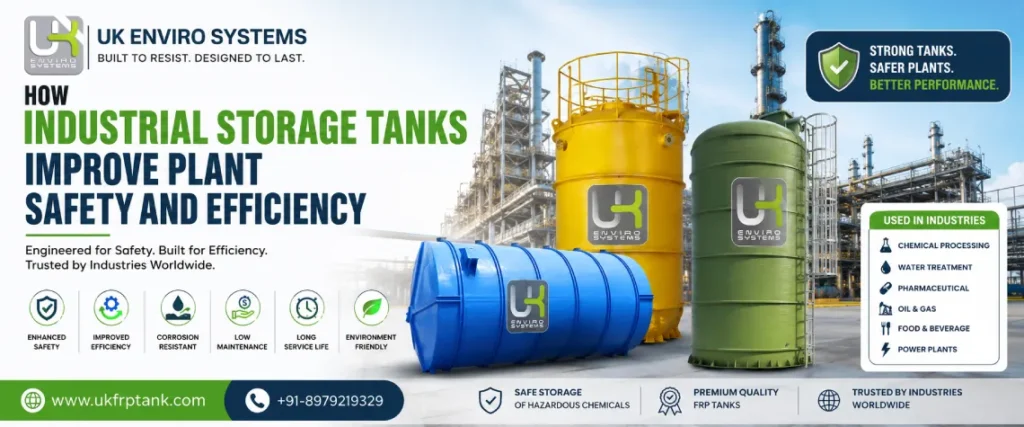
Selecting the right storage solution protects your operations. Polypropylene Tanks for Chemical Storage offer the chemical resistance and durability that demanding industries require. From HCL Storage Tanks to specialized Acid Storage Tanks, polypropylene delivers reliable performance. Whether you need standalone polypropylene vessels or advanced PP FRP Storage Tanks, working with skilled Polypropylene Tank Manufacturers ensures success.
The choice of storage tank impacts safety, compliance, and profitability. By choosing high-quality polypropylene solutions, you invest in peace of mind. You also ensure your facility operates efficiently for years to come. UK Enviro Systems remains committed to providing these essential solutions. We combine material expertise with fabrication skill to meet your most challenging chemical storage needs.