
Why FRP Tanks Are Replacing Steel Tanks in Modern Industries
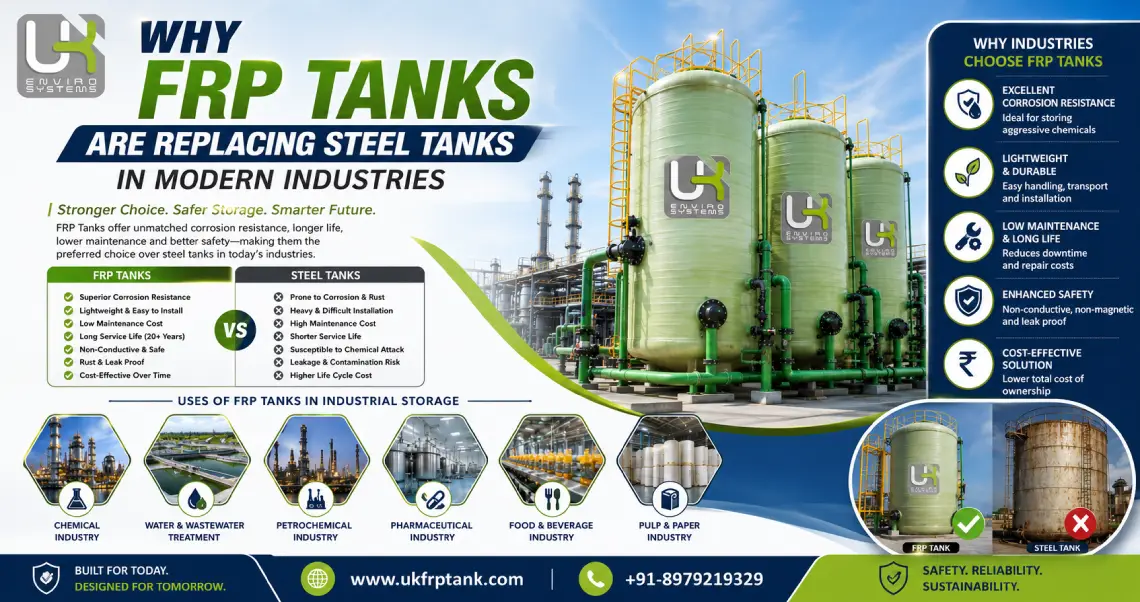
Modern industries face constant pressure to improve efficiency. They also need safer storage solutions. Industrial Fiberglass Tanks have emerged as the superior choice. Steel tanks once dominated the market. That era is ending rapidly. Engineers now specify Industrial Fiberglass Tanks for critical applications. This shift transforms how companies store chemicals, water, and other materials.
The Shift from Steel to Industrial Fiberglass Tanks
Steel tanks have a long history in industry. They served factories for over a century. However, steel has serious flaws. Corrosion ruins steel tanks over time. Rust weakens structural integrity. Leaks become inevitable after years of use. Repair costs escalate quickly. Companies waste money on constant maintenance.
Industrial Fiberglass Tanks solve these problems completely. They do not rust or corrode. Their composite construction resists chemical attack. Fiberglass reinforced plastic (FRP) offers remarkable durability. Many industries now choose these tanks exclusively. The transition is accelerating worldwide.
Understanding Fiberglass Tank Construction
Manufacturers build these tanks using advanced processes. They layer fiberglass strands with resin. This creates a seamless, monolithic structure. No welded joints exist. Welds often fail in steel tanks. Fiberglass eliminates that risk entirely. The result is a tank that lasts decades longer.
Industrial Fiberglass Tanks Manufacturer companies use computer-controlled winding. This ensures perfect wall thickness. Every tank meets exact specifications. Quality control is rigorous. Customers receive consistent, reliable products.
Key Advantages of Industrial Fiberglass Tanks Over Steel
Many benefits drive the replacement trend. Let us examine each major advantage.
Corrosion Resistance That Steel Cannot Match
Steel reacts with many chemicals. Acids eat through steel quickly. Bases also cause damage over time. Even water leads to internal rust. Protective coatings delay but do not stop corrosion. Eventually, steel fails.
Industrial Fiberglass Tanks resist almost all corrosive substances. They handle hydrochloric acid easily. They store sulfuric acid without degradation. Alkaline solutions pose no threat. This chemical inertness is priceless for Chemical Storage Tank Manufacturers. They recommend fiberglass for aggressive media.
Lightweight Design Reduces Installation Costs
Steel tanks weigh many tons. Heavy lifting equipment is mandatory. Installation requires reinforced foundations. Shipping costs are high due to weight. These factors add significant expense.
Industrial Fiberglass Tanks weigh about one-quarter as much. Workers can move smaller units by hand. Crane requirements are minimal. Foundations need less reinforcement. Installation happens faster. Project timelines shrink considerably.
Longevity and Low Maintenance Requirements
A steel tank might last 10 to 15 years. That assumes ideal conditions. Harsh environments cut that lifespan further. Maintenance consumes labor and materials constantly. Repainting, patching, and inspections never end.
Industrial Fiberglass Tanks easily last 30 years or more. Some installations exceed 50 years of service. Maintenance is almost nonexistent. No painting is required. No corrosion monitoring is needed. Cleanings are simple and infrequent.
How Industrial Fiberglass Tanks Manufacturer Innovations Drive Change
Technology improvements make fiberglass tanks better every year. Leading Industrial Fiberglass Tanks Manufacturer firms invest heavily in research. New resin formulations expand chemical compatibility. Improved fiber winding increases strength. UV-resistant coatings prevent sunlight damage.
Customization Capabilities
Steel tanks come in standard sizes only. Modifications require expensive tooling. Fiberglass tanks offer nearly unlimited customization. Manufacturers can produce any diameter or height. Nozzle placements match exact customer requirements. Internal fittings integrate seamlessly. This flexibility satisfies unique process needs.
Fire Resistance Properties
Many believe fiberglass burns easily. That is incorrect. Special fire-retardant resins exist. These meet strict building codes. Some fiberglass tanks achieve Class 1 fire ratings. Steel may warp under heat. Fiberglass maintains integrity longer when properly formulated.
Specialized Solutions for Aggressive Chemicals
Chemical storage demands the highest performance. Inferior tanks cause environmental disasters. Worker safety depends on reliable containment. Industrial Fiberglass Tanks excel in this demanding sector.
Why Chemical Storage Tank Manufacturers Prefer FRP
Chemical Storage Tank Manufacturers see fiberglass as ideal. They understand material science deeply. FRP resists permeation from small molecules. Steel cannot match this barrier property. Vapors do not escape through fiberglass walls. Emissions stay near zero.
Reliable HCL Storage Tanks for Hazardous Environments
Hydrochloric acid destroys most metals rapidly. Stainless steel fails within weeks. Rubber-lined steel eventually leaks through pinholes. HCL Storage Tanks made from fiberglass perform flawlessly. Special vinyl ester resins handle 37% HCL concentration. Tanks remain intact for decades.
One chemical plant replaced steel HCL tanks three times in 15 years. They switched to fiberglass. That tank still operates after 20 years. No repairs were needed. The savings exceeded 500,000.
Acid Storage Tanks Manufacturers Turn to FRP for Safety
Acid Storage Tanks Manufacturers face strict regulations. Spills carry heavy fines. Secondary containment adds costs. Fiberglass provides inherent safety. The seamless construction eliminates leak paths. Double-wall designs offer extra protection. Monitoring systems detect any breach instantly.
Sulfuric acid storage is a common application. Nitric acid also suits fiberglass well. Phosphoric acid causes no damage. Hydrofluoric acid requires special liners. Even that is possible with modern FRP.
Economic Benefits of Switching to Fiberglass
Initial purchase prices tell only part of the story. Total cost of ownership matters more. Let us compare steel versus fiberglass over 20 years.
Lower Acquisition Costs for Large Diameters
Steel becomes extremely expensive above 12 feet diameter. Plate thickness must increase substantially. Fabrication costs soar. Fiberglass tanks scale economically. Winding machines handle large diameters easily. Price increases linearly with size. Large projects favor fiberglass strongly.
Reduced Insurance Premiums
Insurance companies recognize lower risk. Fiberglass tanks rarely leak. Spill liability decreases dramatically. Many carriers offer premium discounts. Some reduce rates by 15% or more. These savings accumulate over decades.
Minimal Downtime for Repairs
Steel tanks need periodic shutdowns. Inspections require emptying and cleaning. Repairs take days or weeks. Production stops during this period. Lost output costs enormous sums. Fiberglass tanks avoid most repairs. When repairs are needed, they happen quickly. Small patches cure in hours. Production resumes almost immediately.
Environmental Impact and Sustainability
Steel production generates massive carbon emissions. Mining iron ore destroys landscapes. Smelting consumes huge energy. Steel tanks cannot be recycled infinitely. Contaminants complicate recycling efforts.
Industrial Fiberglass Tanks have a smaller carbon footprint. Manufacturing uses less energy. Raw materials are more abundant. End-of-life options continue improving. Some companies grind old tanks into filler. New products incorporate this recycled content.
Leak Prevention Protects Groundwater
A single steel tank leak can contaminate aquifers. Cleanup costs reach millions. Legal liabilities persist for years. Fiberglass tanks virtually eliminate this risk. Their non-corrosive nature prevents hole formation. Secondary containment adds another layer. Environmental regulators approve fiberglass readily.
Industries Leading the Transition
Many sectors now specify Industrial Fiberglass Tanks exclusively. Their success stories prove the technology works.
Chemical Processing
Chemical plants handle aggressive fluids daily. Steel fails constantly in this environment. Fiberglass has become the default choice. Reactor vessels, storage tanks, and scrubbers all use FRP.
Water Treatment
Municipal water plants store chlorine and other chemicals. Corrosion resistant tanks are essential. Fiberglass outperforms steel consistently. Costs stay lower over the facility lifespan.
Mining and Metal Finishing
Mining uses strong acids for ore processing. Metal plating lines involve harsh baths. Steel equipment degrades rapidly. Fiberglass provides reliable service. Maintenance crews appreciate the reduced workload.
Pulp and Paper Industry
Bleaching chemicals attack steel aggressively. Fiberglass tanks handle chlorine dioxide safely. Paper mills extend equipment life significantly after switching.
Future Outlook for Industrial Fiberglass Tanks
The replacement trend will accelerate further. Steel prices continue rising. Environmental regulations tighten constantly. Companies seek durable, low-maintenance solutions.
Emerging Resin Technologies
New resin systems expand temperature ranges. Some FRP Tanks now handle 250°F continuously. Higher heat resistance opens new applications. Steam sterilization becomes possible for pharmaceutical use.
Smart Tank Integration
Sensors embed directly into fiberglass walls. No drilling or welding required. Level monitoring, temperature sensing, and leak detection become integral. Data streams to control systems wirelessly. Predictive maintenance becomes reality.
Global Market Growth
Asia leads new installations. India and China build thousands of tanks yearly. Europe replaces aging steel infrastructure. North America follows similar patterns. Every major industrial region adopts fiberglass.
Industrial Fiberglass Tanks Manufacturer companies cannot keep up with demand. New factories open regularly. Skilled technicians are in high demand. Training programs expand to fill workforce gaps.
Addressing Common Concerns
Some engineers remain hesitant about fiberglass. Let us examine their objections honestly.
Temperature Limitations
Steel handles higher temperatures than standard FRP. That is true. However, most industrial processes operate below 200°F. Special high-temperature resins exist for hotter applications. For extreme heat, steel still wins. Those cases are rare.
Mechanical Strength
Steel resists point impacts better. Dropping heavy tools on fiberglass can cause damage. Proper guarding prevents this issue. For static pressure loads, fiberglass matches steel. Burst strengths exceed requirements by large margins.
Ultraviolet Degradation
Sunlight eventually degrades unprotected resin. Modern UV inhibitors solve this problem. Paint coatings add further protection. Indoor installations face no UV risk.
Conclusion
The evidence for Industrial Fiberglass Tanks is overwhelming. They cost less over time. They last longer than steel. They store dangerous chemicals safely. Maintenance requirements are minimal. Installation is faster and cheaper. Environmental benefits are significant.
Leading Industrial Fiberglass Tanks Manufacturer providers like UK Enviro Systems deliver exceptional quality. Their products serve Chemical Storage Tank Manufacturers worldwide. HCL Storage Tanks from fiberglass protect workers and the environment. Acid Storage Tanks Manufacturers increasingly standardize on FRP solutions.
Steel still has niche applications. Extreme temperatures or pressures may require metal. For the vast majority of industrial storage needs, fiberglass wins. Smart companies recognize this reality. They replace aging steel tanks proactively. Their maintenance budgets shrink. Their compliance improves. Their operations run smoother.
The transition is not a future trend. It is happening now. Factories around the world choose Industrial Fiberglass Tanks daily. Steel tank manufacturers are diversifying into composites. The market has spoken clearly. Fiberglass is the superior storage solution for modern industries.